13, 15 or 17 Plate? How to Choose the Right Car Battery in Ghana
Buying a car battery in Ghana usually starts with one question at the counter: “Which plate?” If you are not sure of the answer, you are not alone. This guide explains what 13, 15 and 17 Plate mean, how to read the label on your current battery, and how to pick a replacement that fits first time.
In short
- “Plate” is the local way of describing battery size and power. More plates generally means a bigger, more powerful battery.
- The safest way to choose is to match the reference code printed on your current battery, such as NS60L, DIN75 or 105D31L.
- Check three things before you buy: the size of the battery tray, which side the positive terminal is on, and the type of terminal posts.
- If in doubt, send us your car make, model and year and we will confirm the fit.
What does “plate” mean?
Inside a conventional lead-acid battery, each cell is built from a stack of lead plates. A battery with more plates per cell has more surface area, so it can store more energy and deliver more starting power. Over time, drivers and sellers in Ghana began using the plate count as shorthand for the size of the whole battery.
So when someone says “15 Plate”, they mean a battery of a particular physical size and power class, not just a number of plates. Lithium batteries are built differently inside, but TurboVolt batteries are sold by the same plate sizes so you can replace like for like.
The numbers on a battery label
Three figures matter most:
- Voltage (V). Almost every car uses a 12V battery.
- Capacity (Ah). Amp-hours tell you how much energy the battery stores. A higher figure runs your electrics for longer with the engine off.
- Cold Cranking Amps (CCA). This is the burst of power available to turn the engine over. Bigger engines, and diesel engines in particular, need a higher CCA.
Reference codes: the most reliable way to match
Every battery carries a reference code that describes its case size and terminal layout. Matching this code is more reliable than going by plate count alone, because two “15 Plate” batteries can have different shapes.
- NS60 / NS60L / NS60R. A compact Japanese size common in smaller saloons and hatchbacks. The L or R tells you which side the positive terminal is on.
- DIN55, DIN70, DIN75, DIN80. European-style cases, usually lower and longer, with recessed terminals.
- 80D23L, 80D26L, 105D31L and similar. Japanese (JIS) codes. The last letter again shows the terminal side.
- Part numbers such as 55559, 57220 or 58827. Manufacturer references for DIN sizes.
You will find the code on the sticker on top of your current battery, or on the front face.
13, 15 and 17 Plate at a glance
| Size | Typical vehicles | TurboVolt replacement | Replaces |
|---|---|---|---|
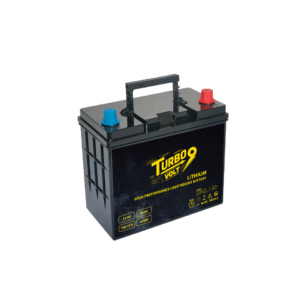
| 13 Plate | Small saloons and hatchbacks, such as Honda Civic, Honda City, Toyota Vitz, Nissan Almera and Nissan Note | 13 Plate, 50Ah, 600 CCA | NS60L / NS60R |
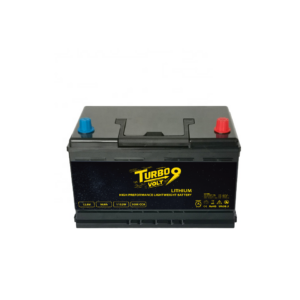
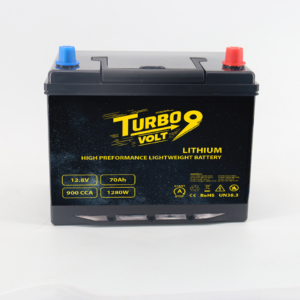
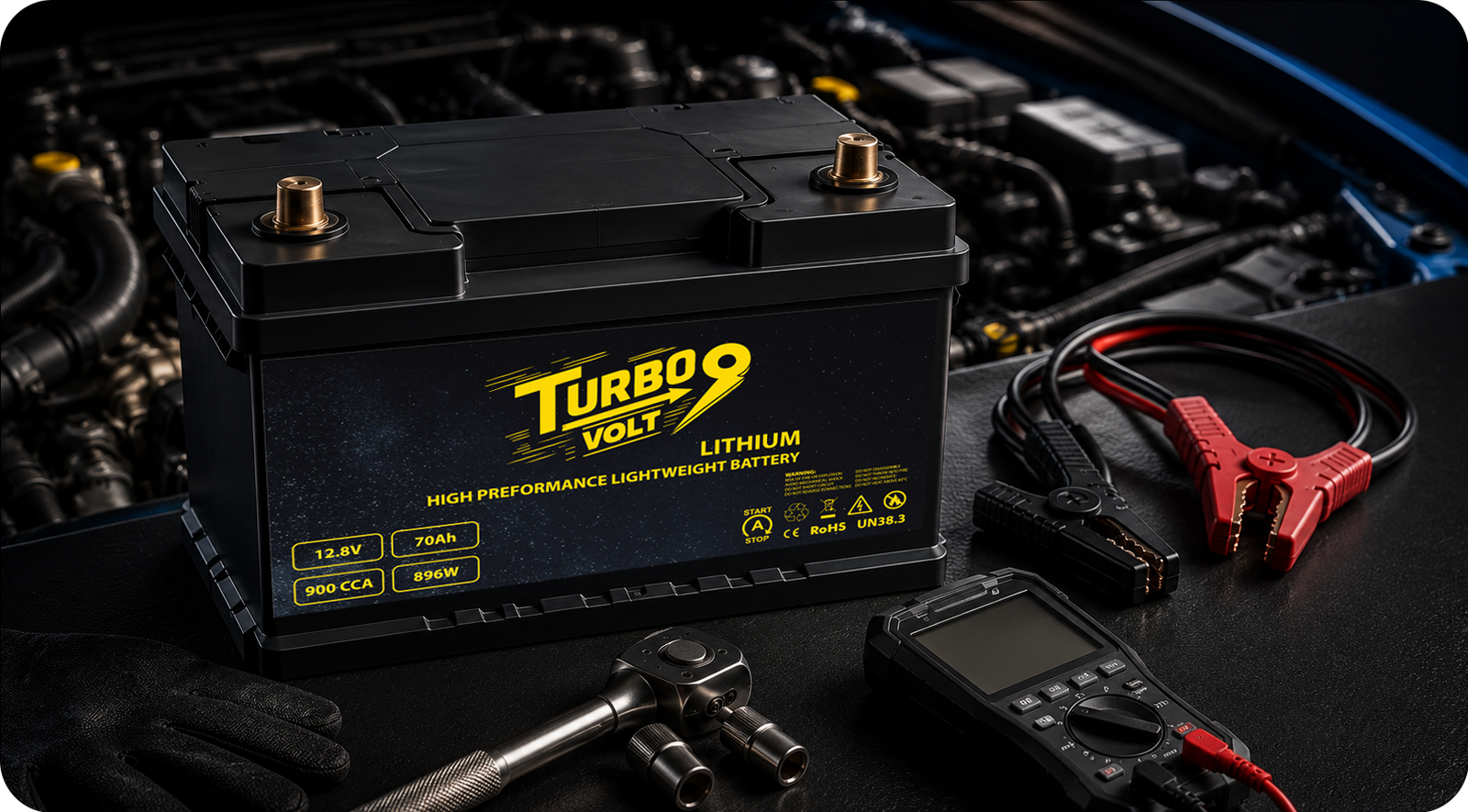
| 15 Plate (DIN70) | Mid-size saloons and SUVs, such as Toyota Corolla, Camry, RAV4 and Highlander, Hyundai Sonata, Nissan X-Trail and Mazda 6 | 15 Plate DIN70, 70Ah, 900 CCA | 80D23L / 80D23R / 80D26L / 80D26R / 57524MF |
| 15 Plate (DIN75) | Mid-size saloons and SUVs, such as Hyundai Elantra, Tucson and Santa Fe, Kia Sportage, Nissan Rogue, Ford Escape and Honda Pilot | 15 Plate DIN75, 70Ah, 900 CCA | 57220 / 574102069 / DIN75 |
| 17 Plate | Large SUVs, pickups and vans, such as Toyota Land Cruiser, Prado, Hilux and Hiace, Mitsubishi Pajero and L200, Nissan Pathfinder and Lexus LX | 17 Plate, 90Ah, 1000 CCA | 105D31L / 105D31R / 58827 |
Some models appear under more than one size, because the battery fitted depends on the engine, year and market the car was built for. A Toyota Hilux, for example, may take a 15 Plate or a 17 Plate. That is why checking your existing battery matters.
Five checks before you buy
- Read the code on your current battery. Take a clear photo of the top label. This is the single most useful thing you can bring or send us.
- Measure the battery tray. Note the length, width and height available. Each TurboVolt product page lists the exact dimensions in its specification table.
- Check the terminal side. Stand in front of the car and note whether the positive (+) post is on the left or right. If it is on the wrong side, your cables may not reach.
- Check the terminal posts. Many Japanese cars use thinner posts (often called small or JIS terminals), while others use standard posts. Our 13 Plate battery is available with either type.
- Think about how you use the car. Extra accessories, a big sound system or a diesel engine all call for more starting power, not less.
Can I fit a bigger battery than the one I have?
Only if it physically fits the tray and the clamp, and the terminals line up. A battery that is too tall can touch the bonnet, and one that is loose in the tray will be damaged by vibration. If you want more capacity than your current size offers, ask us first and we will tell you what your car can take.
What to send us if you are not sure
- Your car make, model and year
- Engine size, if you know it
- A photo of the label on your current battery
Send these on WhatsApp and we will confirm the right TurboVolt battery.
Found your size?
Every TurboVolt battery comes with a 3-year warranty and free delivery within Accra.
Shop TurboVolt BatteriesChat on WhatsApp