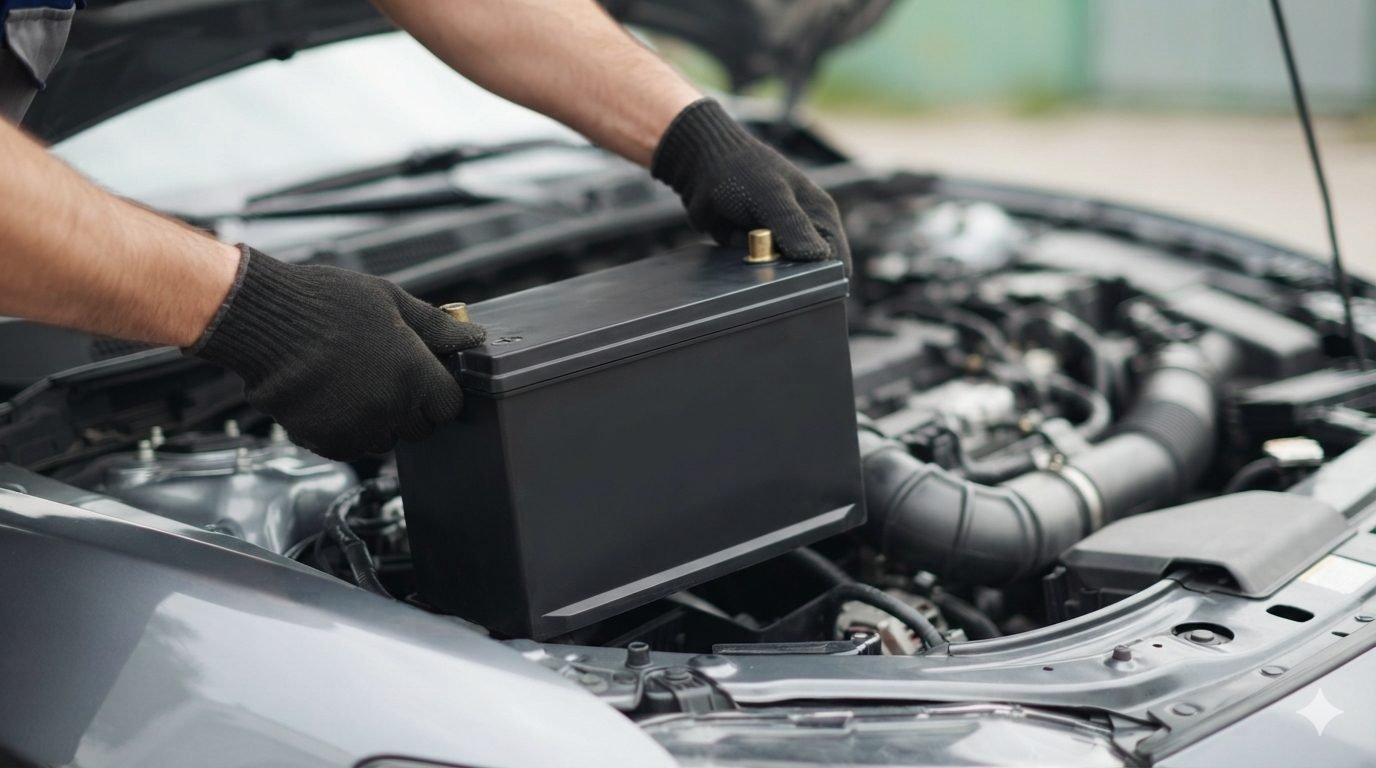
Lithium vs Lead-Acid Car Batteries: Which Is Better Value in Ghana?
A TurboVolt lithium battery costs more on the day you buy it than a lead-acid battery. That is the honest starting point. The real question is what each battery costs you over the years you own the car, and what you get for the money. This guide sets out the differences plainly so you can decide which suits you.
In short
- Lithium costs more up front but is built to last far longer.
- If you replace a lead-acid battery every year or two, lithium usually works out cheaper over five years.
- Lithium is much lighter, holds its charge when parked and comes with a 3-year warranty.
- A budget lead-acid battery can still make sense if you plan to sell the car soon.
How the two types differ
A lead-acid battery stores energy using lead plates sitting in acid. It is a proven, low-cost design, but the plates wear a little every time the battery is drained and recharged, and heat speeds that wear up. A lithium starting battery uses lithium cells managed by built-in electronics. It is lighter, tolerates far more charge cycles and loses very little charge when the car is not being used.
Side-by-side comparison
| TurboVolt lithium | Conventional lead-acid | |
|---|---|---|
| Expected life | Up to 5 years or more under normal conditions | Often a year or two before it needs replacing |
| Cycle life | Up to 6,000 cycles | Far fewer |
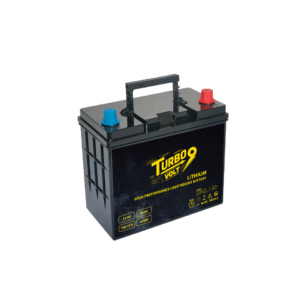
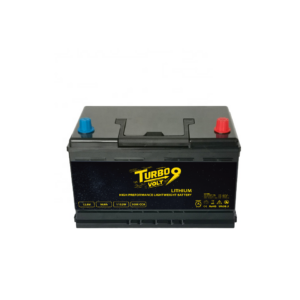
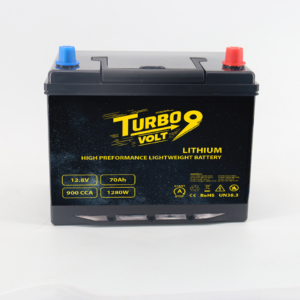
| Weight | 5.2 kg (13 Plate), 8 to 8.6 kg (15 Plate), 11 kg (17 Plate) | Considerably heavier for the same size |
| When parked | Low self-discharge, holds charge for longer | Loses charge faster when unused |
| Maintenance | Maintenance-free | Some types need topping up and terminal cleaning |
| Warranty from Meuse Electronics | 36 months | 3 to 18 months depending on brand, pro-rated |
| Price | Higher up front | Lower up front |
What does it cost over five years?
Take a 15 Plate battery, the size fitted to cars such as the Toyota Corolla, Camry and RAV4. In October 2026, published online prices for new 15 Plate lead-acid batteries from a major Accra retailer ran from about ₵820 for a budget brand to about ₵1,890 for a premium brand, with mid-range brands around ₵1,130. A TurboVolt 15 Plate was ₵3,200.
How the sums work out depends on how long your lead-acid batteries actually last:
| Over 5 years | Mid-range lead-acid (₵1,130 each) | Premium lead-acid (₵1,890 each) | TurboVolt lithium (₵3,200) |
|---|---|---|---|
| If lead-acid lasts 1 year | 5 batteries: ₵5,650 | 5 batteries: ₵9,450 | 1 battery: ₵3,200 |
| If lead-acid lasts 2 years | 3 batteries: ₵3,390 | 3 batteries: ₵5,670 |
These figures assume prices stay the same for five years and that the TurboVolt reaches its expected five-year life. In practice battery prices in Ghana tend to rise, which favours buying once. The sums also leave out the cost of a breakdown, a tow or a lost day of work when a battery fails without warning.
Where lead-acid still wins: if you buy the cheapest battery and it lasts you two years or more, or you expect to sell the car within a year or two, lead-acid will cost you less.
Weight: why it matters
A TurboVolt 15 Plate weighs between 8 and 8.6 kg, and the 17 Plate weighs 11 kg. Lead-acid batteries of the same size are considerably heavier. Less weight makes the battery easier to carry and fit, and puts less load on the tray and mountings.
Cars that sit parked
Many batteries do not wear out from driving; they fail from sitting. A lead-acid battery slowly drains itself, and a battery left flat is damaged each time. Lithium has a low self-discharge rate, so a car that is parked for days or weeks is far more likely to start when you return to it.
Is lithium right for my car?
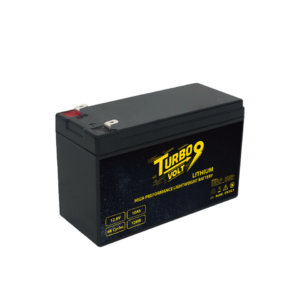
TurboVolt batteries are sold as direct replacements for standard lead-acid sizes, including 13 Plate (NS60L), 15 Plate (DIN70), 15 Plate (DIN75) and 17 Plate. They are supplied charged and ready to use, and are suitable for vehicles with start-stop systems.
One thing to check first: a battery of any type will fail early if the car has a charging fault. If your current batteries keep dying quickly, have the alternator and wiring tested before you fit a new one. Faults in the vehicle are not covered by any battery warranty, including ours.
Who gets the most from lithium?
- Ride-hailing and taxi drivers. A car that does not start does not earn. Our warranty covers ride-hailing and commercial use.
- Fleet owners. Fewer replacements across many vehicles adds up quickly.
- People who travel. The battery holds its charge while the car waits for you.
- Anyone tired of replacing a battery every year.
The verdict
If you keep your cars for several years and have been replacing lead-acid batteries every year or two, lithium is likely to cost you less and give you fewer surprises. If you want the lowest price today and are comfortable replacing the battery more often, lead-acid remains a reasonable choice. Read our Why Lithium? page for more, or the Battery Warranty Policy for exactly what is covered.
Ready to switch?
Tell us your car make, model and year and we will confirm which TurboVolt battery fits.
Shop TurboVolt BatteriesChat on WhatsApp